.png)

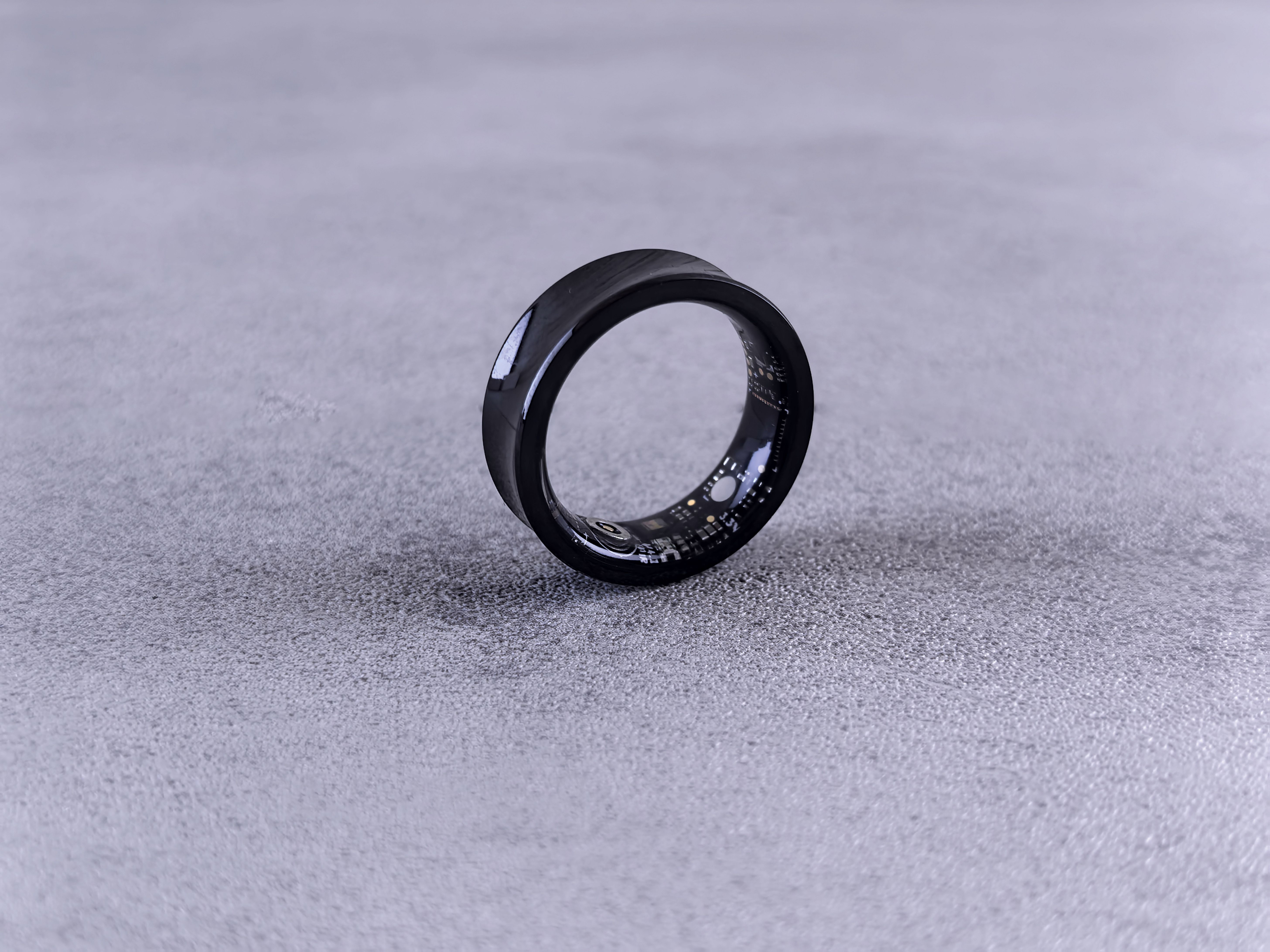
Table of contents
- What does a sleep tracker actually measure?
- Why sleep duration is the easiest number to trust
- Why sleep stages look precise but remain fragile
- What recovery really means during the night
- Why regular sleep may matter more than a perfect score
- How future trackers will read patterns, not single nights
- What to do with a bad sleep score in the morning
- When tracking helps, when it backfires
- What modern research suggests for everyday recovery
What does a sleep tracker actually measure?
A modern sleep tracker rarely watches sleep directly; it watches the body’s traces of sleep. Most wearables combine movement, heart rate, heart-rate variability, skin temperature, blood oxygen signals and sometimes breathing patterns. The device then uses an algorithm to estimate when you slept, when you woke, and which sleep stage you were probably in.
The expectation is simple: a ring or watch tells you what happened in your brain overnight. The reality is narrower. The device does not record brain waves, so it infers sleep from indirect body signals.
Polysomnography is the laboratory reference method. It records brain activity, eye movements, muscle tone, breathing and heart rhythm during sleep. In plain terms: it can see the electrical and physical signatures of sleep, while most consumer trackers infer them from the outside.
This distinction matters because sleep is not one signal. A still body can be awake. A restless body can be asleep. A calm heart rate can reflect deep sleep, fitness, medication, alcohol, illness or simply individual biology.
Most consumer sleep devices rely on three broad signal groups:
- Movement: whether the body is still or active.
- Heart signals: heart rate and changes between beats.
- Context signals: temperature, breathing, oxygen trends and timing.
The future of sleep tracking will depend less on one sensor becoming magical and more on combining signals intelligently. A device that sees movement, pulse, temperature and breathing has more context than a basic motion tracker. But more data does not automatically mean better interpretation.
The useful mental model is simple: a tracker is a pattern detector. It is strongest when it follows your own trends over weeks. It is weakest when it claims certainty about one restless Tuesday night.
Why sleep duration is the easiest number to trust
Sleep duration is usually the most useful consumer metric because it asks a simpler question. Were you mostly asleep, mostly awake, or moving through the night? For many people, modern trackers can estimate total sleep time reasonably well, especially when the question is broad rather than minute-by-minute exact.
The expectation is that the best number is the most advanced one. The reality is that the humble duration estimate often beats the more glamorous sleep-stage graph.
Duration matters because adult sleep need is not random. A major consensus statement from the American Academy of Sleep Medicine and the Sleep Research Society recommends that adults should regularly sleep at least seven hours per night for health. This does not mean every person needs the same amount. It does mean that chronically short sleep is a meaningful warning signal.
In practice, this means a tracker can help you notice a pattern you might otherwise explain away. If your diary says you are "fine", but your device shows five-and-a-half hours for most work nights, the problem is probably not hidden in REM percentages. It is the basic sleep opportunity.
A good use of duration tracking is boring, which is why it works:
- Look at weekly averages, not single nights.
- Compare workdays with weekends.
- Notice whether bedtime or wake time drives the shortfall.
- Treat large changes as more meaningful than small differences.
- Pair the number with how you feel during the day.
Sleep efficiency is another common metric. It means the share of time in bed that the device estimates you spent asleep. A high number can be reassuring, but it can mislead if you gave yourself too little time in bed. Six hours of sleep in six-and-a-half hours in bed may look efficient. It is still a short night for most adults.
This is where research discipline matters. A metric can be accurate and incomplete at the same time. Total sleep time can be useful, yet still fail to explain recovery, mood, appetite, training response or attention the next day.
Why sleep stages look precise but remain fragile
Sleep-stage graphs feel scientific because they split the night into light sleep, deep sleep and REM sleep. The colours look clean. The labels sound biological. But the precision often exceeds what the sensors can prove.
The expectation is that a tracker can tell you exactly how much deep sleep you had. The reality is that sleep staging is the hardest common feature for consumer devices.
Sleep stages are usually scored in short time windows called epochs. An epoch is a brief segment of the night, often around 30 seconds in sleep science. In a sleep laboratory, trained scoring systems use brain waves and other signals to classify these segments. A wrist device does not have that full picture.
Wearables tend to detect sleep better than wakefulness. This is a central limitation. If you lie still after waking at 4:10, a device may classify that period as light sleep. If this happens often, the tracker can overestimate sleep time and underestimate sleep fragmentation.
Deep sleep and REM sleep are especially tempting numbers, but they should not be treated like daily lab results. They can reflect real biology, but they also reflect algorithm choices. Two devices can record the same person on the same night and produce different stage estimates.
The main reasons are practical:
- Restful wake can look like light sleep.
- Brief arousals are hard to capture from the wrist.
- Algorithms differ by brand and may change after software updates.
- Skin tone, fit, tattoos, movement and circulation can affect optical signals.
- Validation studies often test one night, one population and one device version.
This does not make stage data useless. It makes it trend-level information. If your device shows a major shift in sleep timing, repeated fragmentation or a consistent drop after alcohol, late meals or heavy stress, that pattern can be helpful. The mistake is to panic because deep sleep fell by 18 minutes on one night.
The future is likely to move away from pretending that every stage estimate is a verdict. Better systems will show confidence, uncertainty and context. A sleep graph that says "this part of the night is uncertain" would be less seductive, but more honest.
What recovery really means during the night
Recovery is not one event that happens when the tracker says "deep sleep". It is a set of biological processes that depend on sleep, timing, stress load, illness, training, food, alcohol and the nervous system.
The expectation is that recovery can be reduced to one readiness score. The reality is that recovery is a judgement made from several imperfect signals.
Heart-rate variability is one of the most common recovery signals. It describes the variation in time between heartbeats. Higher or lower is not automatically good or bad; the useful comparison is usually your own baseline over time.
During good recovery, many people show a lower resting heart rate, stable or higher heart-rate variability, regular breathing and a normal temperature pattern. But these signals are sensitive. Alcohol can raise overnight heart rate. Infection can disturb temperature and pulse. Psychological stress can suppress heart-rate variability even when sleep duration looks adequate.
A practical reading of recovery should combine body data with behaviour:
- Did resting heart rate stay unusually high?
- Did heart-rate variability drop below your normal range?
- Did you wake often or feel unrefreshed?
- Did alcohol, late exercise, illness or stress explain the change?
- Is this one night, or a repeated pattern?
This is where future sleep tracking becomes more useful. The important shift is from describing the night to interpreting the recovery context. A device should not only say "poor sleep". It should help identify whether the likely driver was short sleep, irregular timing, elevated heart rate, breathing disturbance, late caffeine, alcohol or a heavy training load.
Even then, recovery scores remain estimates. They can guide choices, but they do not know your full life. A parent awake with a child, a shift worker, an athlete in a hard training block and a person with insomnia can all produce messy nights for different reasons.
In practice, this means: use recovery data as a conversation starter with yourself, not as a command.
Why regular sleep may matter more than a perfect score
Sleep tracking is starting to reveal something ordinary but powerful: timing matters. Large device-based studies suggest that regular sleep patterns are associated with better health outcomes, sometimes more strongly than sleep duration alone.
The expectation is that the goal is always "more sleep". The reality is that consistent sleep and wake timing may be just as important for many people.
Sleep regularity means that your sleep and wake times follow a stable rhythm. It does not require robotic precision. It means your body can predict when night begins and when morning arrives.
This matters because the circadian system coordinates many body processes across 24 hours. The circadian system is the body’s internal timing network. It helps regulate alertness, hormones, temperature, digestion and sleep pressure.
For everyday life, the message is clear: a person who sleeps seven-and-a-half hours at wildly different times may not recover the same way as someone who sleeps a similar amount on a stable schedule.
Regularity is also easier to act on than many advanced metrics. You may not be able to force more deep sleep. You can often protect a consistent wake time, reduce late-night variability and create a steadier wind-down.
The most useful tracker output may become less about last night’s score and more about rhythm:
- How stable is your wake time?
- How often does bedtime drift by more than an hour?
- Do weekends repair sleep debt or disrupt Monday?
- Does light exposure in the morning support your rhythm?
- Are late meals, screens or work demands shifting sleep later?
This is not moral advice. It is physiology meeting routine. A tracker becomes valuable when it turns vague fatigue into visible patterns you can change.

How future trackers will read patterns, not single nights
The next generation of sleep tracking will be less impressed by single-night numbers. It will look for patterns across time, because recovery is a trend problem.
The expectation is that artificial intelligence will make sleep tracking instantly accurate. The reality is that better algorithms still need better validation, diverse populations and transparent testing.
Future systems will probably combine several layers of information: sleep timing, movement, heart signals, breathing, temperature, light exposure, activity load and subjective feedback. The strongest products will not simply collect more signals. They will explain which signal changed, how confident the estimate is, and whether the change is meaningful for that person.
A useful future tracker might tell you:
- Your sleep duration is stable, but wake periods increased.
- Your heart rate stayed elevated after alcohol.
- Your sleep timing shifted later for four nights.
- Your recovery score is uncertain because the sensor fit was poor.
- Your data pattern suggests discussing breathing symptoms with a clinician.
That last point matters. Consumer trackers are not diagnostic tools for most sleep disorders. They can, however, flag patterns worth taking seriously, such as repeated oxygen drops, loud snoring reports, persistent unrefreshing sleep, severe daytime sleepiness or irregular breathing signals.
The future will also need better language. A device that says "bad sleep" can create anxiety. A device that says "short sleep opportunity, stable heart signals, no action needed beyond an earlier bedtime tonight" is more useful. Good design should reduce noise, not create another source of pressure.
Research also needs to improve. Many validation studies are small, short and device-specific. A tracker tested in healthy adults for one laboratory night may perform differently in older adults, shift workers, people with insomnia, people with sleep apnoea, pregnant women, athletes or those taking medication.
The next standard should be simple: show how the device performs in the people who will actually use it.
What to do with a bad sleep score in the morning
A bad sleep score is not a diagnosis. It is a prompt to check whether the number matches your body, your night and your day.
The expectation is that a low score should change your whole plan. The reality is that many low scores deserve a calm adjustment, not a dramatic response.
Start with the obvious. Did you sleep less than usual? Did you wake often? Did you drink alcohol, eat late, train hard, travel, feel stressed or get ill? These explanations often matter more than the final score.
A simple morning decision framework works better than score-chasing:
- If you feel fine and the score is slightly low, keep the day normal.
- If the score is low and you feel flat, reduce optional strain.
- If resting heart rate is unusually high, watch for illness or overload.
- If poor scores repeat, look for routine patterns.
- If symptoms are strong, do not outsource judgement to the device.
For training, a tracker can support moderation. It can help you avoid stacking hard sessions on clear signs of poor recovery. But it should not remove common sense. Athletes often tolerate poor sleep before competition. Parents often live through interrupted nights. Work stress can produce a bad reading without meaning the body is broken.
For cognitive work, the best response is usually practical. Move demanding decisions away from the worst part of the day, use light exposure early, avoid excess caffeine late, and protect the next night. Recovery is not repaired by staring at the app.
The most helpful question is not "How do I fix my score?" It is "What pattern can I change tonight?"
When tracking helps, when it backfires
Sleep tracking helps when it makes sleep more visible without making sleep more stressful. It backfires when the data becomes the reason you cannot relax.
The expectation is that measurement always improves behaviour. The reality is that some people become more anxious, more self-monitoring and less trusting of how they actually feel.
The term orthosomnia describes an unhealthy preoccupation with achieving perfect sleep, often driven by tracker data. It is not a formal diagnosis in the way insomnia is, but it names a real pattern seen in sleep clinics and surveys: people start chasing ideal numbers, then worry themselves awake.
Tracking is more likely to help when the goal is concrete:
- Finding whether bedtime is drifting too late.
- Seeing the effect of alcohol or late caffeine.
- Building a steadier wake time.
- Supporting a training recovery plan.
- Bringing objective patterns to a clinician.
Tracking is more likely to backfire when the goal is perfection:
- Checking the app immediately after waking with dread.
- Letting a score decide mood before symptoms do.
- Comparing deep sleep with other people.
- Changing routines daily based on tiny shifts.
- Staying in bed longer just to improve a metric.
The best rule is to track lightly. Review trends once or twice a week, not every anxious morning. Use notes for alcohol, stress, travel, training and illness. A tracker becomes smarter when you add context the sensor cannot see.
There are also privacy and data-quality boundaries. Sleep data can reveal routines, location patterns, health signals and behavioural changes. Before relying on a device, it is reasonable to check what data it collects, whether data can be exported, whether deletion is possible and whether health claims are separated from wellness claims.
In plain terms: the device sits close to your body, but the company sits close to your data.
What modern research suggests for everyday recovery
Modern sleep research does not point to one perfect number. It points to a small set of repeatable behaviours that support recovery and can be tracked without obsession.
The expectation is that recovery requires complex optimisation. The reality is that most improvement starts with sleep opportunity, rhythm and reducing known disruptors.
The strongest everyday signals are often the least glamorous. Consistent sleep timing, enough time in bed, lower alcohol exposure, earlier caffeine cut-off, morning light and a calm pre-sleep routine are easier to defend than chasing a specific amount of deep sleep.
A practical weekly review can be enough:
- Average sleep duration: am I giving myself enough time?
- Wake-time stability: is my rhythm drifting?
- Night waking: is fragmentation becoming frequent?
- Resting heart rate: is it unusually high for me?
- Heart-rate variability: is the trend persistently below my baseline?
- Daytime function: am I sleepy, irritable or unfocused?
This blend matters because recovery is both objective and subjective. A tracker can show patterns you miss. Your body can reveal context the tracker misses. Neither source should dominate alone.
Special situations need more caution. Persistent loud snoring, witnessed pauses in breathing, severe daytime sleepiness, restless legs, recurrent insomnia, morning headaches or repeated oxygen desaturation signals deserve clinical attention. A consumer device can support the conversation, but it should not replace proper assessment.
Pregnancy, heart rhythm disorders, respiratory disease, neurological conditions, psychiatric illness and medication changes can also alter sleep and body signals. In these cases, the tracker may still be useful, but interpretation should be more careful.
The future of sleep tracking is promising because it can move sleep out of guesswork. Its limit is equally clear: recovery is not a single score. It is a pattern across nights, days and behaviour.